
Understanding Unlawful Discharge of a Firearm Arizona: ARS 13-3107
Facing an unlawful discharge of a firearm charge can be overwhelming. The legal system can feel complex and intimidating. Lawyer Listed provides clear information about the charge and the possible penalties, helping you understand each step of the process.
This guide provides a clear, detailed explanation of Arizona’s unlawful discharge of a firearm law. It explains key legal terminology, sentencing frameworks, and the broader implications of the charge.
Remember, this information is for educational purposes only and is not a substitute for legal advice from an experienced Arizona criminal defense attorney. If you are charged with unlawful discharge of a firearm, let Lawyer Listed match you with your ideal criminal defense lawyer as soon as possible.
What Is Unlawful Discharge of a Firearm (Shannon’s Law)?
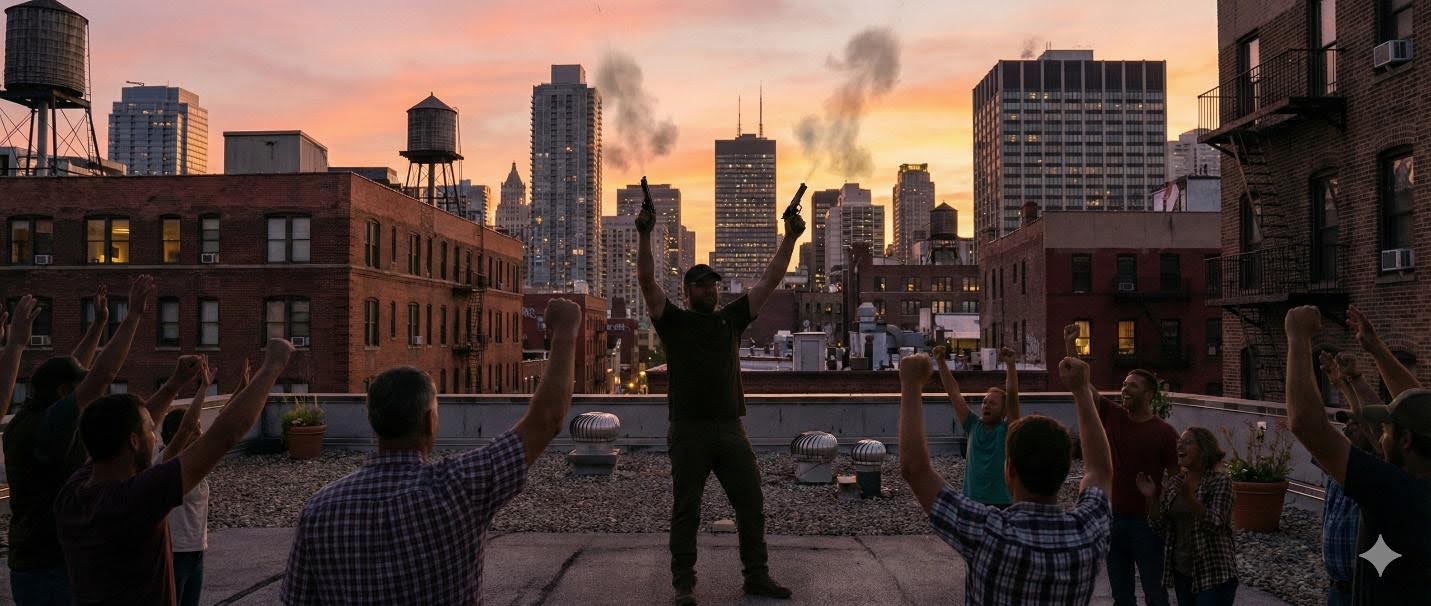
Unlawful discharge of a firearm involves discharging a gun within or into city limits, acting with criminal negligence.
The foundation of an unlawful discharge of a firearm charge is “criminal negligence.” This means the prosecutor doesn’t have to prove that you meant to hurt anyone. They also do not have to prove that you meant to fire the gun. They only have to show that your actions created a substantial and unjustifiable risk of an unlawful discharge that a reasonable person would have recognized and avoided.
Understanding Shannon's Law
Shannon’s Law is an Arizona law that was created in 2000. It makes it a felony to fire a gun randomly into the air within city limits. This law exists because of a tragedy that happened in Phoenix in June 1999. A 14-year-old girl named Shannon Smith was killed by a stray bullet that someone had fired into the air during a celebration. Arizona’s Shannon’s Law was passed to prevent this kind of senseless tragedy from happening again.
When people talk about Shannon’s Law AZ, they’re referring to the part of ARS 13-3107 that specifically deals with firing guns into the air. This means that if you shoot a gun into the air during a celebration or for any other reason while inside city limits, you can be charged with a felony under Shannon’s Law.
Key Exceptions Under ARS 13-3107: When Firing a Gun is Legal
Even though firing a gun inside city limits is usually a crime under ARS 13-3107, there are some important situations where it is legal to fire your gun.
- Self-Defense or Defense of Another Person: You can legally use a gun to defend yourself or someone else from immediate danger. However, you must be able to show that you reasonably believed you or another person was in immediate danger. You also must show that using deadly force was necessary to stop that danger. This is an affirmative defense, which means the burden is on you to prove it.
- Properly Supervised Firing Range: You can fire your gun at a shooting range that follows strict safety rules and regulations. The range must meet specific safety standards, have proper supervision, and be affiliated with a recognized shooting organization or club. Not every place where people shoot guns qualifies as a lawful firing range under this exception.
- Lawful Hunting Activities: If you’re hunting during the legal hunting season and following all the rules set by the Arizona Game and Fish Commission, you can legally fire your gun. This means you need to have the proper hunting licenses, follow all bag limits (the number of animals you’re allowed to take), and hunt only in areas that are designated for hunting. Breaking any of these rules could mean this exception no longer protects you from being charged under this law.
- Nuisance Wildlife Control: Sometimes property owners need to control wildlife that is causing problems or property damage. If you have the proper permits from the Arizona Game and Fish Department or the U.S. Fish and Wildlife Service, you may legally discharge a firearm for this purpose. The permit must be obtained legally, and you must follow every condition listed on the permit.
- Official Duty for Law Enforcement or Animal Control: Police officers, sheriff’s deputies, and authorized animal control officers can discharge firearms while performing their official duties. However, they must follow their department’s policies and procedures when doing so.
- Use of Blank Ammunition: Firing blanks (ammunition that doesn’t contain an actual bullet) is not covered by ARS 13-3107, so it is not treated the same as firing live ammunition under this law. There is an important legal distinction between blank ammunition and live ammunition with projectiles. However, you should know that blanks can still cause injury at close range.
- Distance from Occupied Buildings: If you fire a gun more than one mile away from any occupied structure or building, you generally cannot be charged under ARS 13-3107. The distance is measured from the exact spot where you fired the gun to the nearest building that someone is living in or using.
Key Concepts of Unlawful Discharge of a Firearm
- Criminal negligence: You must have failed to recognize a substantial and unjustifiable risk of discharging a firearm while acting in a manner that falls well below what a reasonable person would do under similar circumstances. This element requires prosecutors to demonstrate that your behavior deviated significantly from accepted standards of care.
- Firearm: Any loaded or unloaded handgun, pistol, revolver, rifle, shotgun, or other weapon that can fire, is designed to fire, or can be easily made to fire a projectile using an explosive. A firearm does not include a weapon that has been made permanently inoperable.
- Municipality: Any city or town, including any property that is fully enclosed within the city or town.
- Occupied structure: Any building, vehicle, watercraft, aircraft, or other enclosed place with walls and a floor that can be secured on its own and is used for living, business, transportation, recreation, or storage. A structure is occupied if one or more people are inside, likely to be inside, or close enough to be in the same danger when a firearm is discharged. A house or dwelling, even if it is unoccupied or vacant, qualifies as an occupied structure.
- Dangerous offense: An offense involving the discharge, use, or threatening exhibition of a deadly weapon or dangerous instrument or the intentional or knowing infliction of serious physical injury on another person.
Elements of Unlawful Discharge of a Firearm
To convict you of unlawful discharge of a firearm in Arizona, the prosecution must prove two elements beyond a reasonable doubt:
- You acted with criminal negligence.
- You unlawfully discharged a firearm within or into the limits of a municipality.
Arizona Statute of Limitations for ARS Unlawful Discharge of a Firearm
The statute of limitations is the deadline for filing criminal charges after an alleged offense. For unlawful discharge of a firearm, prosecutors generally have up to seven years from the date of the alleged offense to bring charges.
Sentencing for Unlawful Discharge of a Firearm

The penalty for unlawful discharge of a firearm is substantial and can have long‑lasting effects. Sentences vary based on your criminal history and the facts of the case. Understanding these consequences helps you make informed decisions about your defense.
| Offense | Charge | Prison | Probation |
|---|---|---|---|
| Unlawful discharge of a firearm | Class 6 felony | 0.33 – 2 years | Up to 3 years |
| Unlawful discharge of a firearm | Class 6 dangerous felony | 1.5 – 3 years | Not available |
Even though unlawful discharge of a firearm involves firing a deadly weapon, the law does not automatically treat it as a dangerous offense. It only becomes a dangerous offense if the State formally alleges dangerousness and then proves it with evidence.
Frequently Asked Questions (FAQs)

A: Yes, you can be charged even if firing the gun was an accident. Under ARS 13-3107, the State only needs to prove criminal negligence, not that you meant to fire the gun or hurt anyone. This means that even if you didn't mean to pull the trigger, your actions might show that you didn't take proper care to prevent the gun from firing. An example would be waving the gun around with the safety off.
A: ARS 13-3107 and Shannon's Law AZ primarily apply when you discharge a firearm within city limits or municipal boundaries. If you fire your gun outside these boundaries, you typically won't be charged under this specific law. However, you could still face charges under other Arizona laws depending on what happened. For example, if you endangered someone or damaged property, other criminal statutes might apply.
A: Self‑defense can be a valid defense to unlawful discharge of a firearm, but it is not simple. Arizona law sets specific limits on when you can legally use force and simply saying you acted to protect yourself is not enough. You must be able to show that you reasonably believed you or someone else faced an immediate threat of harm, that the force you used was necessary and proportional to that threat, and that you were not the person who initiated or escalated the confrontation.
A: In Arizona, prosecutors have seven years to initiate criminal charges for unlawful discharge of a firearm. This means that if more than seven years have passed since the alleged offense, the State is typically prohibited from bringing charges.
A: To find the right lawyer for your case, follow these steps: schedule consultations, verify they are licensed and in good standing with the bar, research their experience, check their specialization, consult with other lawyers about their reputation, read client reviews, and ensure you feel comfortable with them.
Don’t worry if this seems overwhelming; Lawyer Listed has already done the work for you and is ready to match you with an elite lawyer tailored to your needs and your case.
Key Takeaways:

- Definition: Unlawful discharge occurs if you are criminally negligent in the discharge of a firearm within or into the limits of any city or municipality. Shannon’s Law, which is part of ARS 13-3107, specifically addresses firing guns into the air and was created after a tragic death in 1999.
- Legal Exceptions: There are several situations where firing a gun is not considered unlawful discharge of a firearm. These exceptions include self-defense or defending another person from immediate danger, firing at a properly supervised shooting range that meets safety standards, hunting legally during hunting season with proper licenses, controlling nuisance wildlife with the required permits, official duties performed by law enforcement or animal control officers, using blank ammunition without projectiles, and firing more than one mile away from any occupied structure or building.
- Sentencing: Unlawful discharge of a firearm carries different penalties depending on the circumstances of the crime.
- Unlawful discharge of a firearm: Classified as a Class 6 felony with a potential prison sentence ranging from 4 months to 2 years and/or up to 3 years of probation.
- Unlawful discharge of a firearm (dangerous offense): Classified as a Class 6 dangerous felony with a prison sentence between 1.5 and 3 years without the possibility of probation.
- Statute of limitations: The statute of limitations for unlawful discharge of a firearm is seven years from the date of the offense.
Next Steps:

Unlawful discharge of a firearm is a serious criminal charge with consequences that can affect the rest of your life. Outcomes depend on many factors. Lawyer Listed meets you where you are and helps you understand the law and your rights.
If you’re facing unlawful discharge of a firearm Arizona charges, engaging a skilled criminal defense attorney is important to protect your rights and manage the process. Don’t try navigating the legal system alone; match with your ideal lawyer at LawyerListed.com and get an experienced criminal defense lawyer on your side right away.